

On the afternoon of October 20, 2025, the Department of History of Science at Tsinghua University held the 100th lecture of the Tsinghua Lecture Series on History and Philosophy of Science in its department hall. Professor Fan Fadi from Binghamton University, State University of New York, gave a lecture titled "History of Multiple Species: Possibilities and Challenges". This lecture was hosted by Teacher Shen Yubin from the Department of History of Science. At the beginning of the lecture, Professor Wu Guosheng, Director of the Department of History of Science at Tsinghua University, delivered a speech. He pointed out that since its launch in 2017, the Lecture Series on History and Philosophy of Science has continuously invited outstanding scholars from around the world to give reports and has become a brand academic activity of the Department of History of Science at Tsinghua University. It is a great honor to invite Professor Fan Fadi to give a keynote speech at this milestone moment of the 100th lecture.
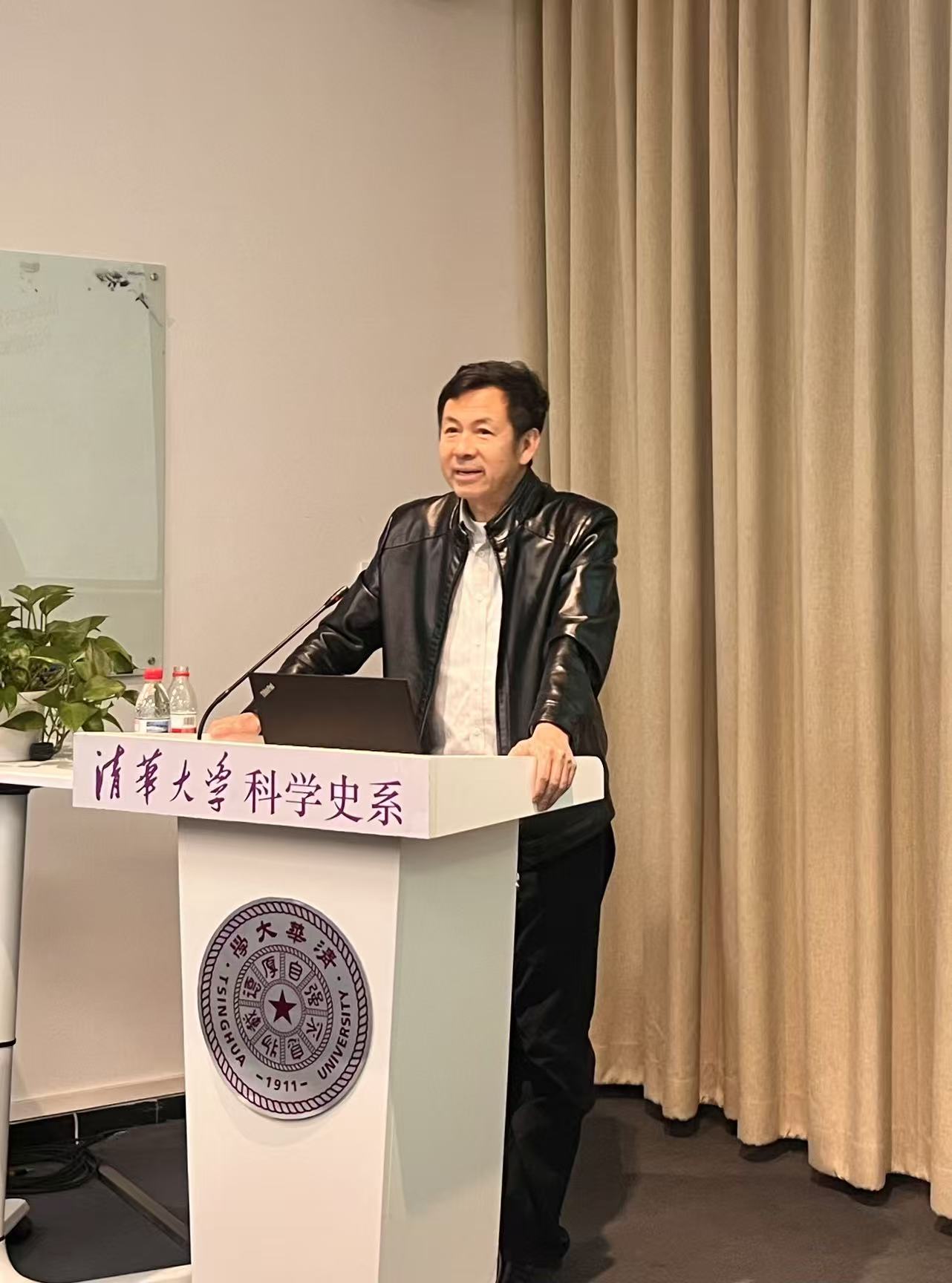
Professor WU Guosheng
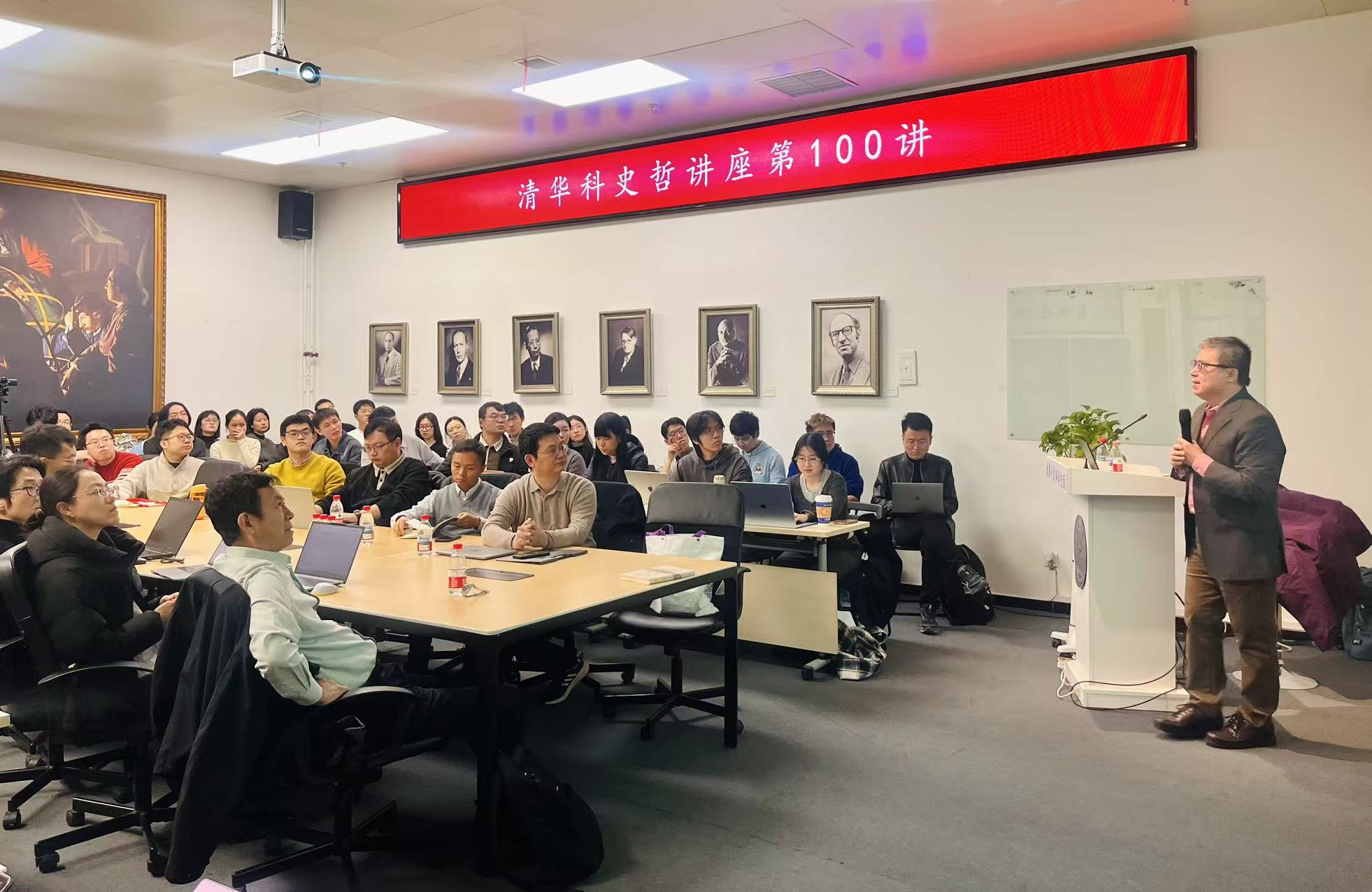
Lecture site
Professor Fan Fadi has long been engaged in research related to the history of modern and contemporary Chinese science, the history of natural history, and environmental history. He is the author of important works such as "Empire of Knowledge: British Naturalists in China during the Qing Dynasty" and served as the President of the History of Science Society of the United States from 2022 to 2023. At the beginning of the lecture, Professor Fan focused on the emerging research perspective and methodology of "Multispecies History", emphasizing that its core lies in challenging the anthropocentrism embedded in traditional historiography. Professor Fan pointed out that "Multispecies History" is not simply substituting the concept of "species" from modern biology into history, but rather regarding "species" as historicized categories of lifeforms perceived by historical actors, focusing on how historical subjects classified and viewed life. The rise of this field is rooted in a series of important historiographical and ideological developments, including environmental history that rethinks ethics, agency, and the relationship between subject and object; animal history that focuses on human-animal relationships (the "animal turn"); science and Science and Technology Studies (STS) that focus on laboratory animals and field investigations; research on diseases and epidemics; and posthumanism's attention to "re-enchantment" and other issues.
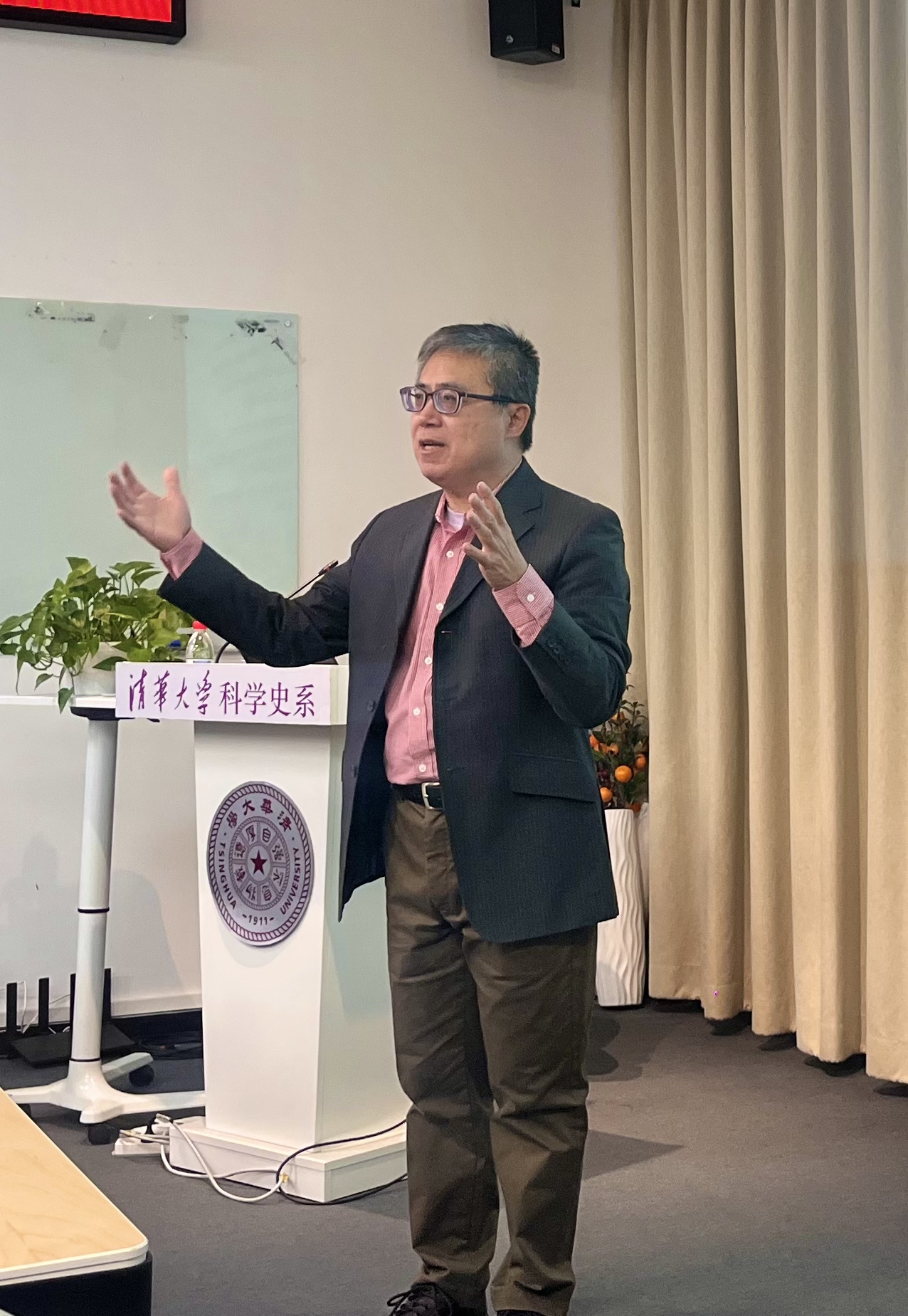
Professor Fa-ti Fan
The core concern of "multi-species history" is that it requires historians to redefine historical actors and consider how non-human agents (including animals, plants, and even things endowed with agency in specific historical contexts) influence historical processes. The professor emphasizes that it is necessary to distinguish between the agency possessed by non-human actors and the intention characteristic of humans. Even without intention, non-human species can have a substantial impact on historical changes. The methodology of "multi-species history" requires historians to recognize the "entanglement of life" and place humans within a broader network of life. Specifically, historians need to adopt a historical and contextual attitude to understand species, avoid imposing modern classifications on historical contexts, and focus on using two perspectives: the native/internal perspective (emic view) to understand the ontology and epistemology of historical actors, supplemented by the external/analytical perspective (etic view) for interpretation within a modern scientific framework, thereby seeking historical dynamics in multiple realities.
However, as a narrative perspective, multispecies history faces many challenges in practice: historians often have more difficulty accessing historical materials than anthropologists, it is hard to avoid the tendency of anthropomorphism towards non-human animals, and the narrative conventions of historiography make it difficult for historians to treat humans as equally as they treat non-human species. Then, Professor Fan took animal history as an example to distinguish and explain three existing different research approaches:
- Animals in Human History: Animals are mainly defined by their social, cultural, and economic roles in human society, serving as objects of management, consumption, or emotional attachment. Essentially, it remains a human-centered history.
- Animal History: Considering animals as historical agents with agency, but still potentially constrained by the framework of the human-animal binary relationship.
- Multispecies History: It requires historians to pay attention to the local understanding of species classification, the interrelationships between multispecies actors, and the associated environmental processes.
Based on the research framework of multispecies history, Professor Fan pointed out that we must respect the species cognition and ontology recorded in historical documents that are different from modern science. For example, Yuan Haowen, a scholar of the Jin Dynasty, once recorded the phenomenon of "frogs transforming into mice", and Li Shizhen also had records of species classification and transformation in such natural history works as *Compendium of Materia Medica*. These records all reflect people's ontological cognition of species transformation at that time, that is, different species are not as fixed as in modern taxonomy. When conducting research, historians must consider how to incorporate different historical actors such as water, climate, soil, frogs, mice, wheat, and humans into their analysis, and deal with two realities: emic (frogs transforming into mice) and etic (environmental changes causing frogs to die and mice migrating from other places to forage). In addition, Professor Fan also mentioned Shen Fu's deep affection for orchids in *Six Records of a Floating Life*, to show that even plants that do not have "animality" in the traditional sense can exert a strong agential influence on human emotional world and cultural life through their growth and withering.
During the discussion session of the lecture, teachers and students present mainly raised the following questions: First, how multi-species history can be integrated with branches of the history of science such as the history of natural history and experimental animal research; second, how historians handle the narrative tension between humans and non-humans between historical materials and interpretations; third, the role of emotions in the writing of multi-species history, etc. Professor Fan responded to each of these in detail. Finally, the 100th lecture in the History, Philosophy and Sociology of Science lecture series concluded successfully amid warm applause from teachers and students.
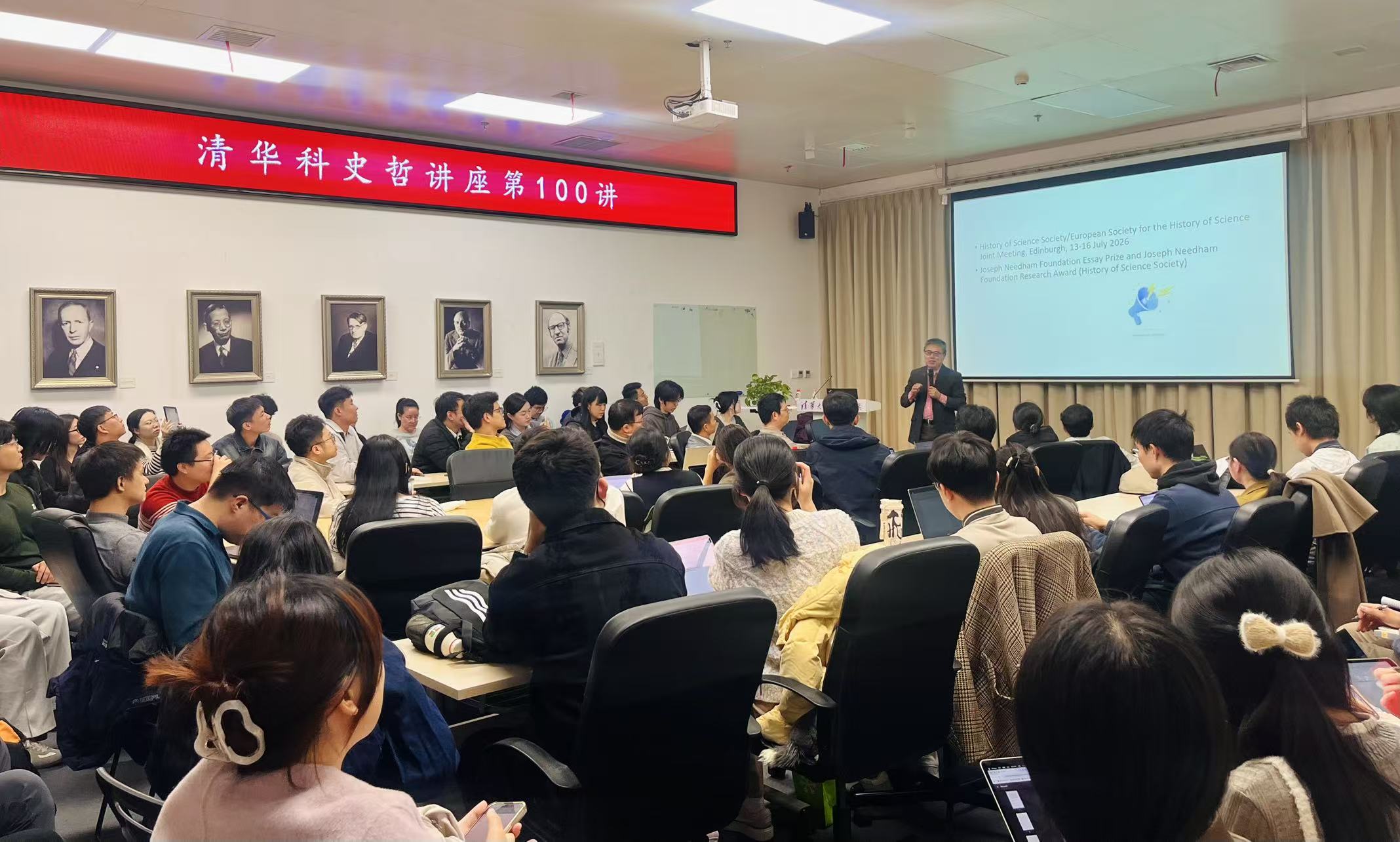
Lecture site
Written by: Wen Zhanhong
Reviewed by: Shen Yubin